My favourite tools to initiate a Complex Process Improvement Project
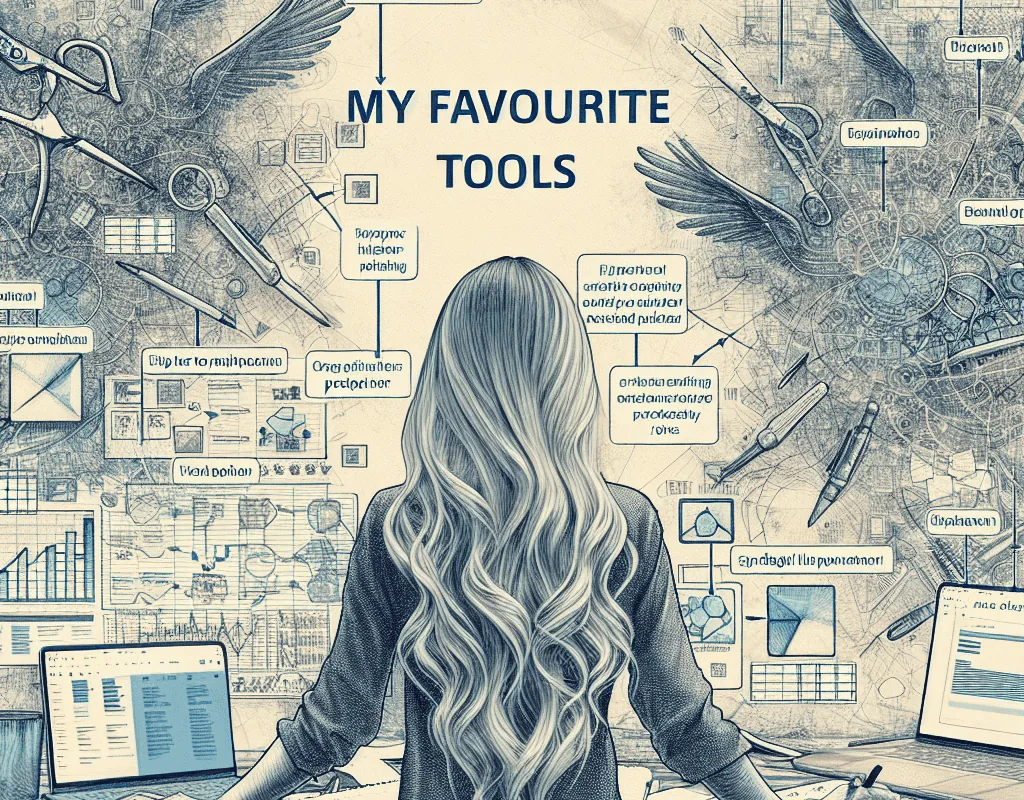
Initiating complex process improvement efforts becomes achievable with the right blend of methodologies and strategic steps. I present a proven framework for launching and executing impactful initiatives — the same framework I now augment with AI tooling (Celonis, SAP Signavio, Claude Code) on engagements.
Building a Solid Foundation
Project Charter: Set the Tone for Success
The project charter is foundational, establishing clarity from inception. Essential components include:
- Problem Statement: Identifies the core issue requiring change
- Business Justification: Demonstrates organizational value
- Key Stakeholders: Maps influential parties and affected groups
- Expected Benefits: Quantifies outcomes through hard metrics (cost reduction, efficiency gains) and soft metrics (workforce morale)
- Timelines: Establishes realistic milestone targets
- Objectives: Defines measurable, strategy-aligned goals
- Scope and Deliverables: Clarifies project boundaries
Comprehensive charters eliminate ambiguity and foster stakeholder alignment.
Measurement and Precision
Data Gathering: The Heartbeat of Process Improvement
Accurate baseline data collection enables identification of inefficiencies and progress monitoring. Traditional tooling: Excel, Minitab, flowcharts, infographics. Modern process mining (Celonis EMS, SAP Signavio) extracts the as-is process directly from system logs — turning weeks of interviews into days of data.
Key implementation strategies:
- Define lead metrics and KPIs (limiting focus to 1-2 metrics)
- Develop comprehensive project plans with assigned owners and timelines
Data-driven approaches reduce risk and improve success probability.
Process Mapping and Insights
Collaboration with subject matter experts (SMEs) proves essential for understanding current (As-Is) and desired (Should-Be) processes. Recording sessions enables later review for precision — and increasingly, LLM-assisted SOP extraction directly from those recordings.
Recommended Tools:
- SIPOC diagrams: Capture critical process points, identifying triggers and outcomes
- Value Stream Mapping: Visualizes processes, quantifies inefficiencies, highlights waste
- Swimlane Diagrams: Deconstructs complex workflows, clarifies accountability
I suggest using SIPOC to integrate business platforms for unified input/output visibility.
Conclusion
I advocate combining DMAIC (Define, Measure, Analyze, Improve, Control) methodology with traditional project management disciplines, achieving the best of both worlds — flexibility and thoroughness. This hybrid approach ensures rigorous structure while accommodating organizational uniqueness.
Want the full playbook behind this?
14+ years of results, EUR 1.1M+ savings documented. AI-Augmented Process Transformation Lead. 2 pages, no signup.